

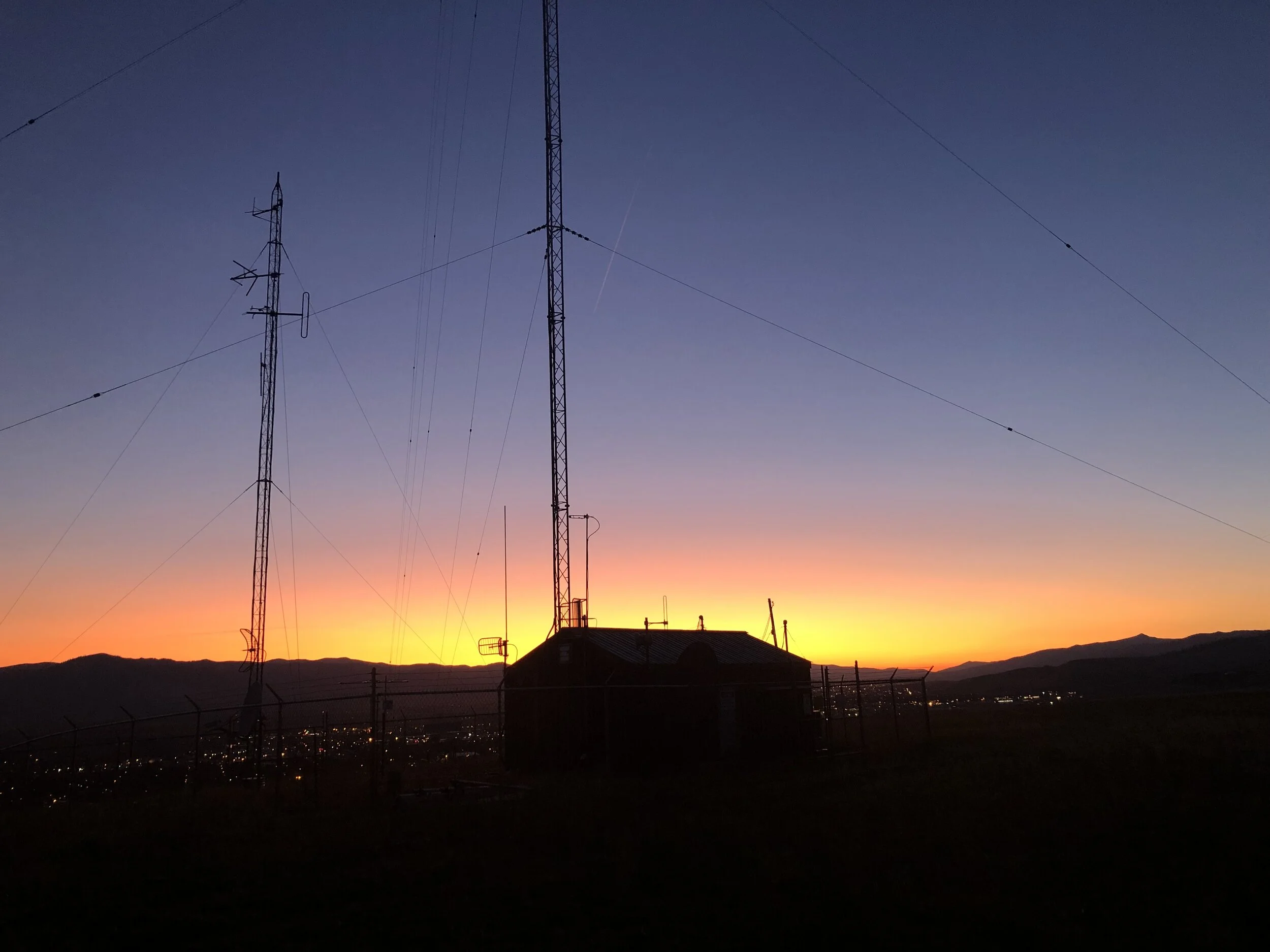
NETWORK SOVEREIGNTY: A Comparative Study of Local Network Initiatives in Rural, Low-income Communities
This three-year project (2018-2021), supported by the National Science Foundation (award 1755106), used fieldwork and ethnographic methods to investigate how low-income, rural communities conceptualize and practice “network sovereignty” in relation to local network initiatives. Focusing on three case studies — a) the Serengeti Broadband Network in Tanzania; b) the Rhizomatica Project in Oaxaca, Mexico; and c) the Blackfeet Community College (BCC) in Browning, Montana — the project explored whether local attempts to own and operate internet and mobile phone infrastructures have empowered “last mile” communities; analyzed and compared how internet and mobile phone use are reshaping sociotechnical relations in these communities; and identified a set of local network initiative “best practices” for broader circulation.
Project abstract:
This project will advance understanding of the importance of local ownership and culture when developing telecommunication networks in rural, low-income, indigenous communities. Using the concept of "network sovereignty" as an analytical framework, the project investigates how varying degrees of network ownership, design involvement, and technical knowledge can impact and empower marginalized communities and result in networks that are more useable and sustainable. By engaging with research in areas of critical infrastructure studies and technological literacy and by leveraging strong local partnerships, the project will build a model for understanding how telecommunication network development can best be organized to support diverse, low-income, rural communities. A particular contribution will be to convey the importance of local cultural practices to network innovation and adoption, and to describe the enabling conditions and long-term effects of such processes.
There is common assumption that low-income, rural communities can benefit economically from their integration within telecommunication networks, but there is a tendency to neglect how important issues of local community deliberation, ownership, design, and culture are to such processes. When telecommunication networks are extended to "last mile" communities, how involved are members of these communities in such processes? How important is the local ownership and control of network facilities? How do local community members understand and make sense of their network integration? What do they hope to gain from such technological developments? And how have communities addressed these issues in different ways? To answer these questions researchers employ a collaborative ethnographic approach and conduct fieldwork and interviews in three diverse communities that have formed local network initiatives. Case studies include Rhizomatica in Oaxaca, Mexico, Oki Communications in the Blackfeet Indian community of Browning, Montana, and the Serengeti Broadband Network in the Mara region of Tanzania. Researchers will partner with community organizations to explore the emergence and relative success of these local network initiatives and, at the end of the project, will provide an analytical framework for evaluating such initiatives in other communities. The project also includes a workshop that enables community partners to discuss and share best local network practices with one another.
Network Sovereignty Blog: http://globalmedia.mit.edu/category/blog/network-sovereignty-blog/
Peer-reviewed publications (based on GMTaC Lab case studies in Blackfeet Nation and Tanzania)
2024 L. Parks, “Domestic solar media in rural Tanzania: toward an energy-media matrix,” forthcoming in Media and Rurality, Darin Barney and Patrick eds, Duke University Press.
2023 L. Parks, A. Wisseh, G. DuCharme, and S. DesRosier, “The Nuances of Network Sovereignty: A Collaborative Study of the Internet and ICTs in the Blackfeet Community in Montana,” New Media & Society, Oct 2023, https://doi.org/10.1177/14614448231200870.
2021 L. Parks, R. Srinivasan, & D. Cerna. “Digital Empowerment for Whom? An Analysis of ‘Network Sovereignty’ in Low-income, Rural Communities in Mexico and Tanzania.“ Information, Communication & Society, 10.1080/1369118X.2021.1928264.
2020 L. Parks & R. Thompson. “The Slow Shutdown: Information and Internet Regulation in Tanzania from 2010-2018 and Impacts Upon Online Content Creators,” International Journal of Communication, vol. 14, 4288–4308.
Principal Investigators: Ramesh Srinivasan (UCLA) and Lisa Parks (MIT/UCSB)
Graduate researchers: Rachel Thompson, Diego Cerna, Alan Zhang (MIT), Assatu Wisseh (UCSB)
Community researchers at Blackfeet Community College in Browning, Montana: Gaylene DuCharme, Sarah DesRosier, Trevor Spotted Eagle, Wayne Smith, and Tara Hite.
Community researchers at Dar es Salaam Institute of Technology in Tanzania: Joseph Matiko, Boniphace Elphace, Daniel Bwere, Ethani Caphace, Alex Joseph, Pendo, Kweka, Enock Lalusya, Beatrice Boniface Manyaga, Napendael Msangi, Elisha Elia Nyagwaru, Baraka Sanane, and Gloria Wella.
Blackfeet Nation Case Study researchers
-
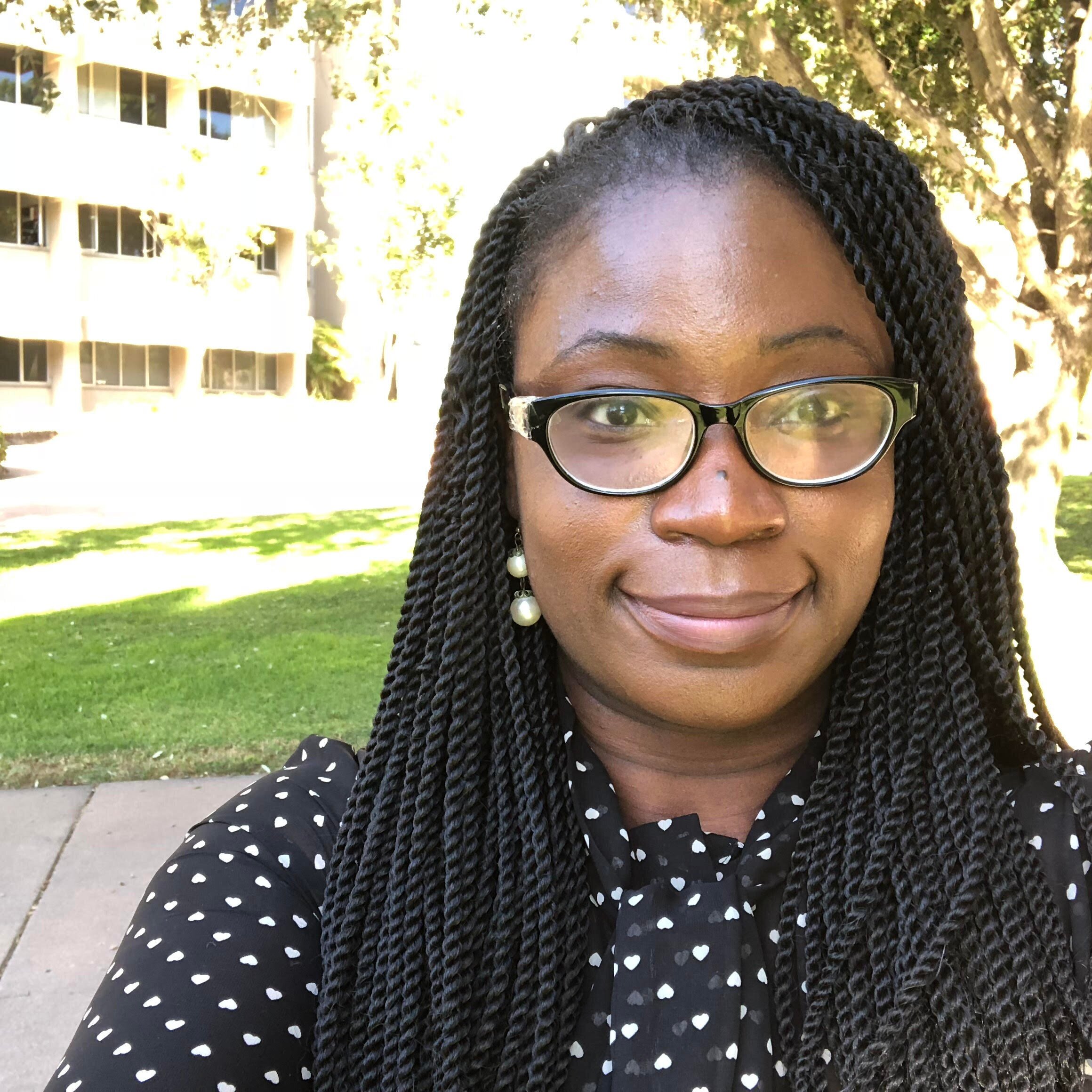
Assatu Wisseh
Graduate Student Researcher, UCSB
Assatu Wisseh is a PhD student in the Film and Media Studies Department at UC Santa Barbara with research foci on Black women cultural producers, the politics of representation, Liberian-American popular culture, and media infrastructures through the lenses of Black feminisms and critical race theory. She was born and raised in the southern United States to indigenous Liberians, who immigrated to the U.S. prior to the Liberian civil conflict in the late 1980s.
.
-
Gaylene DuCharme
Community Researcher, Blackfeet Community College
Gaylene DuCharme is the financial aid director at Blackfeet Community College (BCC), and is a member of AIHEC TCU Financial Aid Professionals, Montana Post Secondary Education Council, National Association of Financial Aid Administrators, and the MT American Indian Higher Education Consortium (AIHEC) Planning Committee Member. She is an enrolled Member of the Confederated Salish & Kootenai Reservation, mother to three boys and one daughter.
-
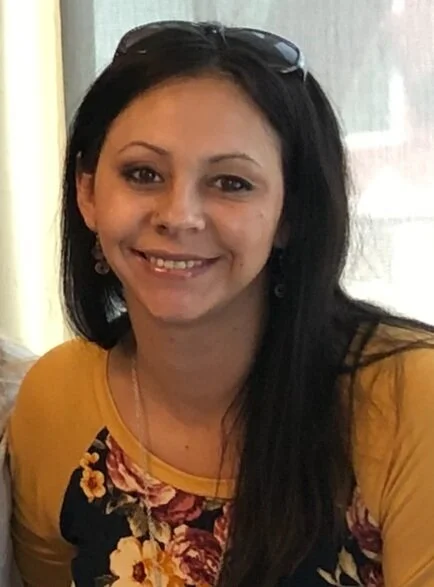
Sarah DesRosier
Community Researcher, Blackfeet Community College
Sarah DesRosier was born and raised in Browning, Montana. She works in the finance department at the Blackfeet Community College and is a student at Montana State University-Northern pursuing a BA in Business Administration with a minor in Accounting. She serves as Local Coordinator of the Network Sovereignty project.
-
Trevor Spotted Eagle
Community researcher, Blackfeet Community College
Trevor Spotted Eagle is an enrolled member of the Blackfeet Tribe, raised on the reservation. Trevor attended the University of Advancing Technology in Tempe, Arizona where he received his bachelor's degree in Digital Video. While working as the Media Communications Specialist for the Blackfeet Community College, Trevor was awarded the Montana Indian Equity Fund (IEF) Small Business Grant to fund the development of his branding company "PaintedSky Branding". Since then Trevor has worked with several programs on the reservation developing websites, video production, and marketing materials.
-
Wayne Smith
Community Researcher, Blackfeet Community College
Wayne Smith graduated from the University of Montana School of Journalism in 2009. He is the father of five children and has worked at Blackfeet Community College in various roles for nearly eleven years. His interests include photography and basketball among many hobbies. He is most proud of his family and enjoys spending time doing whatever comes to mind with them.