The framework and idea for WOW (Who Owns What) is completely thanks to the absolutely amazing work of Professor Jennifer Holt. This project's inception is the result of the care, dedication, and passion for education of Professor Holt and Professor Lisa Parks.
Growing up, my media consumption consisted of exclusively “right-leaning” outlets. Once I got to college I found my habits turned to viewing predominantly “left-leaning” outlets. During and after the election of Donald Trump as the US President, I came to realize that both “sides” of the mainstream media echo-chamber were more focused on culture wars, outrage, and scandals than on the plight of the American people. For companies that have so much power over our everyday life, it’s alarming how little attention is paid to the influence that big media and technology companies have on our democracy. Turn on CNN or Fox News and you will find military weapons contractors and retired generals masquerading as experts, voicing their nation-building and profit-boosting war efforts as protecting US interests. We’ve witnessed trillions of dollars wasted on a divisive and massively overinflated military budget with little pushback or questioning by most mainstream news outlets. In contrast, healthcare for all, college for all, etc.,—overwhelmingly popular issues which directly benefit the lower income majority—are met with intense skepticism and claims that these programs would be far too costly to fund. This paradox is no accident. Media and tech conglomerates have too much to lose if Americans unite together and demand better for the 99.9% of us who are not billionaires. It’s time the conversation changed from how can we afford healthcare, housing, food, education, and childcare to how can we afford not to provide these basic services to citizens of the wealthiest country in the world.
What This Research Entails
Data listed in the Who Owns What (WOW) report is compiled primarily by reviewing and collecting information from the annual public financial reports of the companies we are investigating.
Most people outside of the business community will never review these reports. When you hear “annual financial reports,” it brings to mind Wall Street and stock trading. Parsing through an annual financial report can be intimidating; they’re incredibly dense and lengthy with line after line of corporate jargon, granting them the illusion of objectivity Yet for the most part, these reports are glorified cover sheets documenting the many feats and bounds the company has made that year despite all the hurdles (ie. regulations, global instability, and public perception) they managed to overcome. Most companies paint a rosy picture of their operations to spur further investment in the future. Along with heaps of corporate propaganda, annual reports also reveal a plethora of information detailing risks, current assets, future aspirations, and conquests. Our project translates that often-inscrutable information into a legible record of who owns what in the name of media criticism and an informed citizenry.
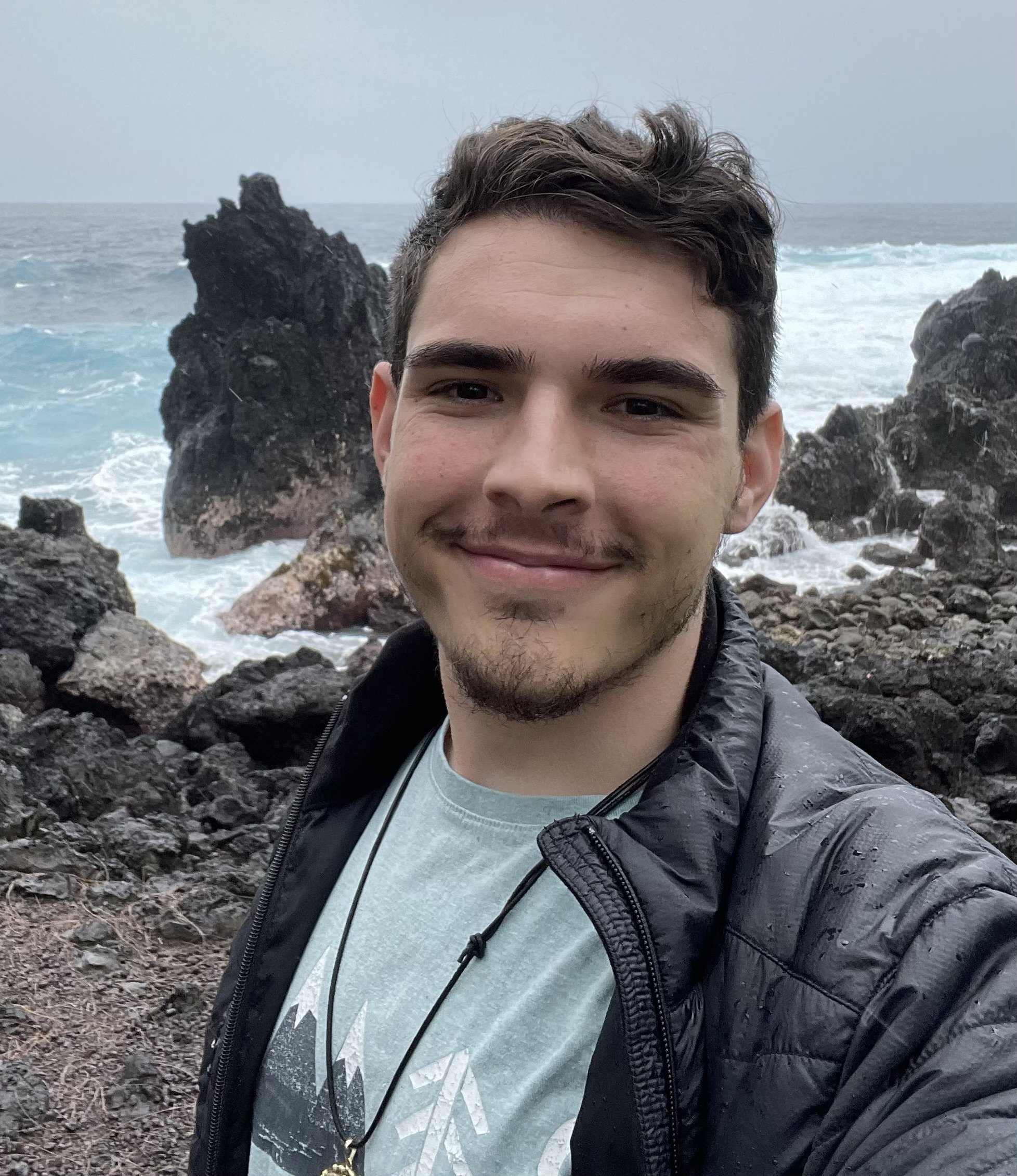
Seth Ragonese is a Film and Media Studies major at UCSB, with interests in media industries and political economy. He is a mental health advocate, proud 99.9%er, respector of plants, animals, and our one livable planet. He is currently working on Who Owns What (WOW).